HubSpot Consulting Services
HUBSPOT CONSULTING SERVICES TO BUILD YOUR REVENUE ENGINE
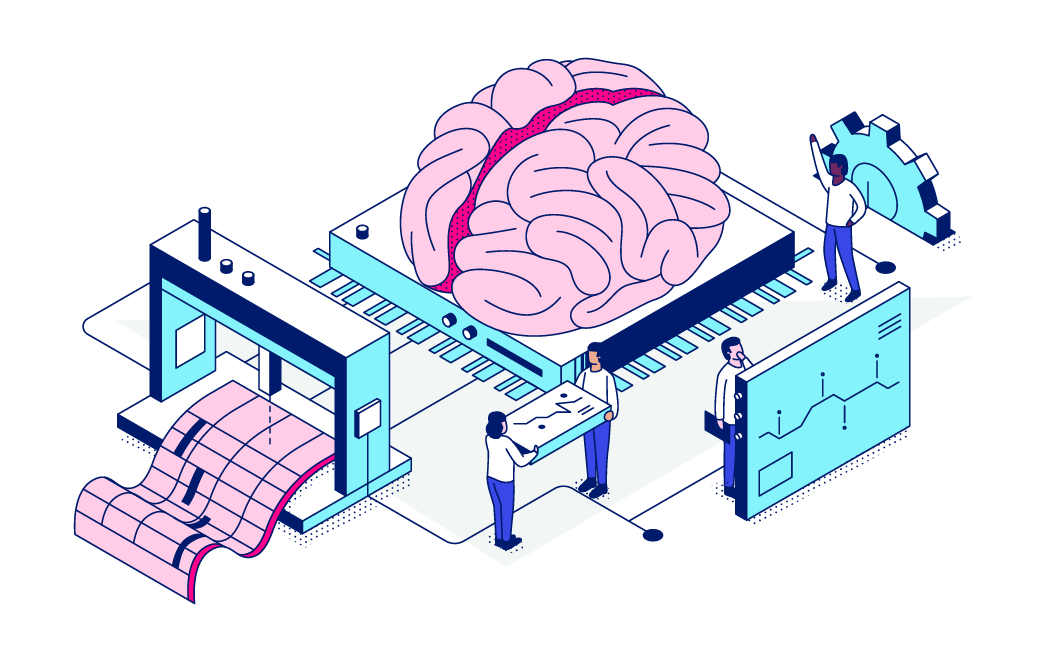
Your HubSpot is switched on. The engine it was meant to run never got designed. We are a HubSpot consultancy that designs, builds and maintains HubSpot revenue engines for ambitious companies.

We are a certified Platinum HubSpot partner

CAMBRIDGE SPARK | TOM PHILLIPS
CHIEF OPERATING OFFICER
“Digital Litmus helped us build the HubSpot foundations we needed to scale. We can now trust our pipeline data, our sales team is more effective, and marketing and sales are finally working in sync. We're ready to accelerate the next stage of our growth journey."
SIGNS YOU NEED A HUBSPOT CONSULTANT

Nobody trusts the numbers
Two people run the same report and get different answers. Your forecast depends on who you ask and how confident they feel that week. Leadership ends up making commercial decisions on instinct, because the dashboard cannot be relied on. The data exists. It was never structured to be trusted.
HubSpot feels like an expensive database
You bought HubSpot for the automation, the AI and the reporting that runs itself. Most of it is switched off, or switched on and quietly wrong. Adoption sits somewhere around half the team. You are paying enterprise licence fees for a contact list and a place to log calls.

Growth depends on people remembering
Leads land in a shared inbox and get picked up when someone notices. Handovers happen in Slack. Follow-up depends on whoever has capacity that day. It holds together while the team is small, then breaks as you grow, because none of it was designed to run without the people currently carrying it.
COMMON SCENARIOS WE FIX
New to HubSpot
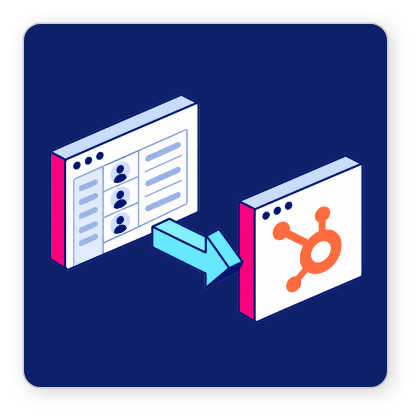
You're migrating from Salesforce, Pardot, Marketo or a CRM nobody wants to admit to. The risk is arriving on HubSpot with the same broken structure, just in a new place. We design the data model first, then migrate into it. A HubSpot migration is architecture, not data movement.

Poor HubSpot setup
Someone configured it two years ago, possibly a partner, possibly whoever had time. It works well enough that nobody has rebuilt it, and badly enough that nobody trusts it. We audit what's there, find the constraint holding you back, and redesign the engine in 90-day sprints.
Nobody owns HubSpot
Your engine exists, but there's no owner keeping it running. Small problems compound and improvements never get made, because everyone qualified is busy doing their day job. We provide that ownership as a team, month to month, without three full-time hires.
HOW WE WORK
HubSpot is incredibly powerful. Most businesses use a fraction of that power because their revenue engine was never designed. We fix that.
 Diagnose
A structured assessment of your platform, process, data and people. What exists, what's broken, what's missing. You get a prioritised 90-day roadmap and a maturity scorecard, whether or not you work with us.
 Design
We map the future state before touching HubSpot. Lifecycle stages, data architecture, ownership and automation logic, designed for how your business actually runs. The platform serves the engine, not the other way round.
 Build
Build
Delivery in 90-day sprints, sized in points so you see cost upfront. Portal configuration, workflows, dashboards, lead management, integrations. Every sprint delivers working improvement, not a progress update.
 Grow
Grow
Quarterly reviews keep the engine delivering as the business changes. We adjust the roadmap, raise or lower velocity, and keep improving. Systematic projects, not a backlog that resets every year.
WHY CHOOSE DIGITAL LITMUS AS YOUR HUBSPOT CONSULTANT
 We design before we build
Consultancies produce a deck and leave. Implementation shops build what you asked for without questioning it. With us you get an expert team who designs and builds your engine, ensuring nothing gets lost between the thinking and the doing.
 Accredited, not self-appointed
HubSpot Platinum Partner and Onboarding Accredited, with 10+ years of HubSpot work and 100+ portals migrated. Not a freelancer who read the documentation, and not a marketing agency that added HubSpot to the list.
 Sprints, not open-ended projects
Work is planned and delivered in 90-day sprints, sized in points, so you are always in control of the costs and see tangible improvement every quarter. You set the velocity and can change it between sprints.
 The whole revenue engine
Most HubSpot work stops at one hub or one team. We design across the full customer lifecycle, from attracting the right accounts through to retention and expansion. This ensures we connect the dots in your customer journey.
 Playbooks, not guesswork
25+ documented playbooks, refined across 200+ engagements, each with a known scope, outcome and timeline. We don't design from scratch on your budget. We select and sequence what already works.
Clients who stay
We've retained clients continuously since 2014. Our commercial model depends on the engine still working in year three,
which is a different incentive from a partner who is paid to implement and move on.

SUPPORTING EDUCATION GROUP | Anthony Lee
Group CMO
“Digital Litmus have been integral in upgrading all SEG businesses onto the same, superior marketing automation platform. Taking advantage of HubSpot's automation workflows with the ongoing training and support of DL, we are beginning to optimise and personalise a number of critical customer journeys. More importantly, we are already seeing this translate into increased MQLs".
REQUEST A FREE HUBSPOT CONSULTING ASSESSMENT
A 60-minute workshop and a review of your HubSpot portal. You get a written diagnostic within days, whether or not you decide to work with us.
On the call we will:
- Review how your revenue engine works today
- Identify the constraint holding back growth
- Explain to you what a designed engine looks like for your business
- Agree whether there's a case for working together